
Nature's Defense: Effective Herbal Approaches to Lyme Recovery
Understanding Lyme Disease Herbal Treatment: A Science-Based Perspective
Lyme disease herbal treatment is a compelling area of research for those seeking alternatives to conventional antibiotics, especially when standard treatments fall short. For those exploring natural options, here is what the science currently supports:
Most Promising Herbal Treatments for Lyme Disease (Based on Lab Studies):
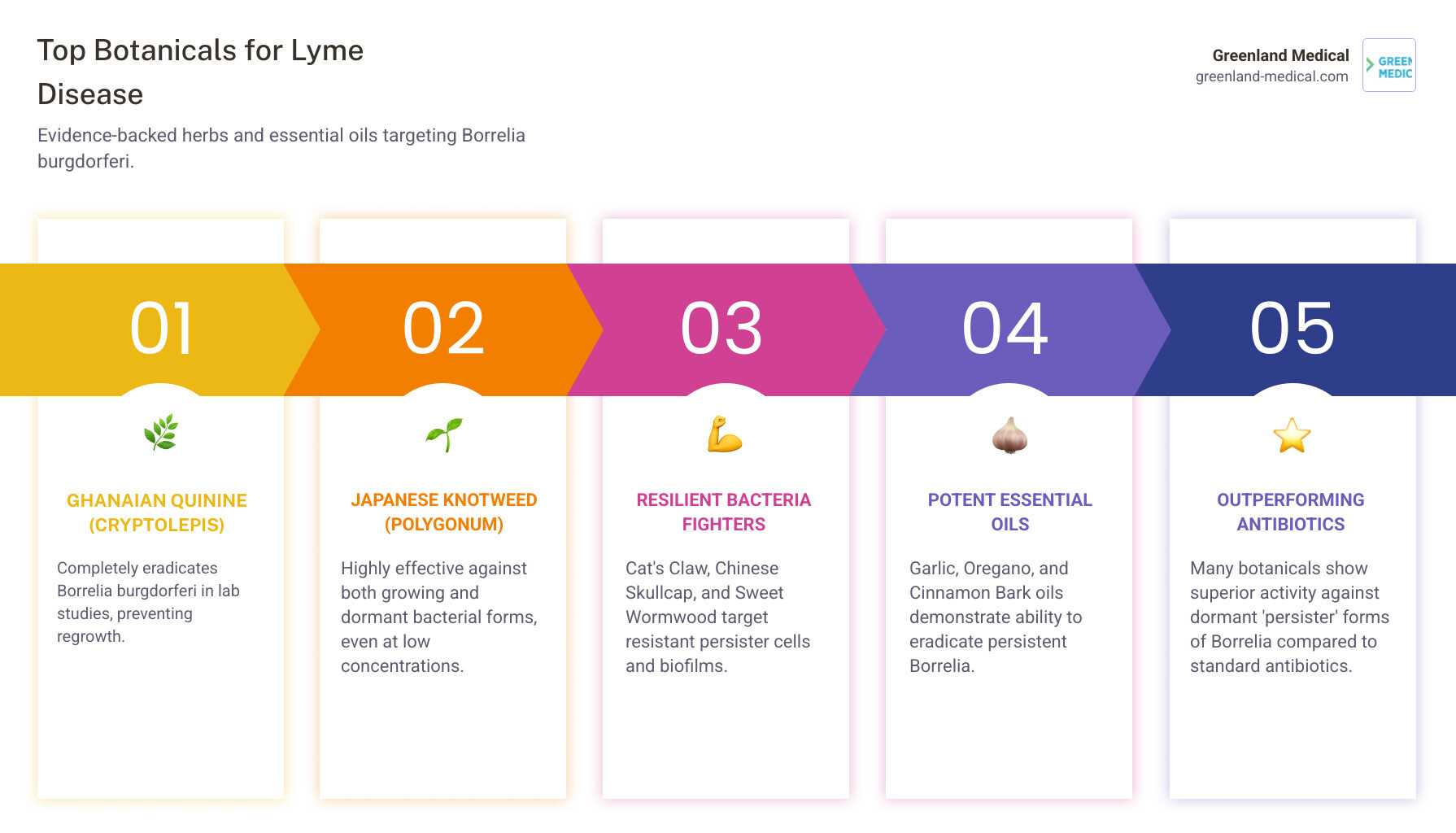
Ghanaian quinine (Cryptolepis sanguinolenta)
Japanese knotweed (Polygonum cuspidatum)
Cat's claw (Uncaria tomentosa)
Chinese skullcap (Scutellaria baicalensis)
Sweet wormwood (Artemisia annua)
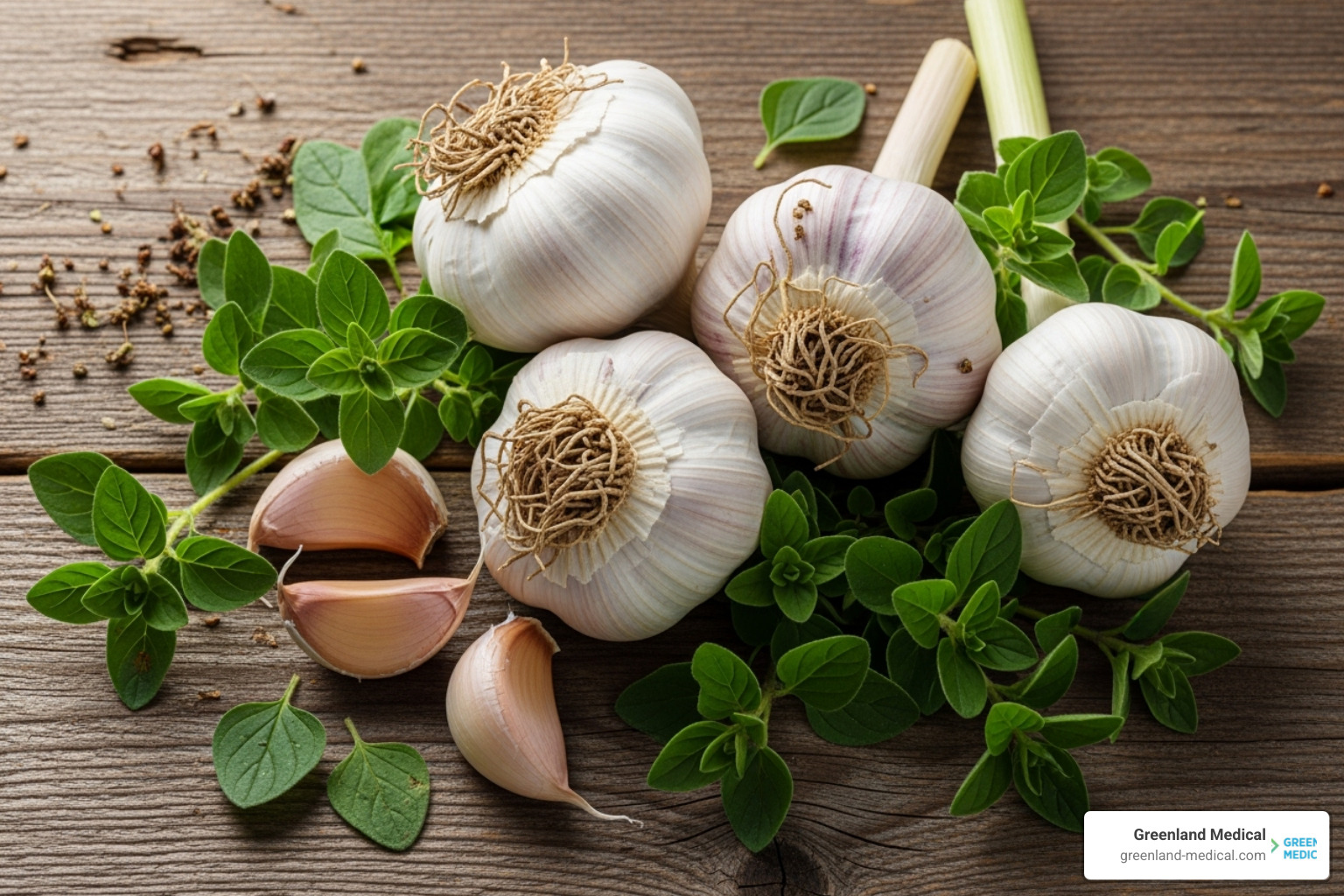
Essential oils (garlic, oregano, cinnamon bark)
Key Finding: Multiple herbs have demonstrated stronger activity against dormant "persister" forms of Lyme bacteria than conventional antibiotics like doxycycline in laboratory studies.
The bacterium that causes Lyme disease, Borrelia burgdorferi, has sophisticated survival mechanisms. It can form dormant "persister cells" and hide within protective biofilms, making it difficult to eradicate with standard antibiotics alone. While many patients recover with antibiotics, the CDC estimates that 10-20% of treated patients experience persistent symptoms, a condition known as Post-Treatment Lyme Disease Syndrome (PTLDS).
This challenge has driven researchers at institutions like Johns Hopkins University to investigate botanical alternatives. Their lab studies have found that certain herbs and essential oils show equal or superior activity against Borrelia burgdorferi compared to conventional antibiotics, particularly against the treatment-resistant forms.
These are not just folk remedies; they are findings from peer-reviewed laboratory studies. For example, Ghanaian quinine was shown to completely eradicate Borrelia cultures in seven days. However, it is critical to note that these promising results are from laboratory settings, not human trials. The gap between in-vitro efficacy and clinical application is significant, and we do not yet have large-scale human data on dosing, safety, or long-term outcomes for most of these treatments.
As Dr Andrew Greenland, I have spent years helping patients with complex chronic illnesses through our functional medicine approach. My approach integrates evidence-informed lyme disease herbal treatment with functional medicine principles to address root causes, offering meaningful support for those with persistent Lyme symptoms. Learn more about our comprehensive treatment protocols designed specifically for chronic conditions.
The Challenge of Persistent Lyme Disease
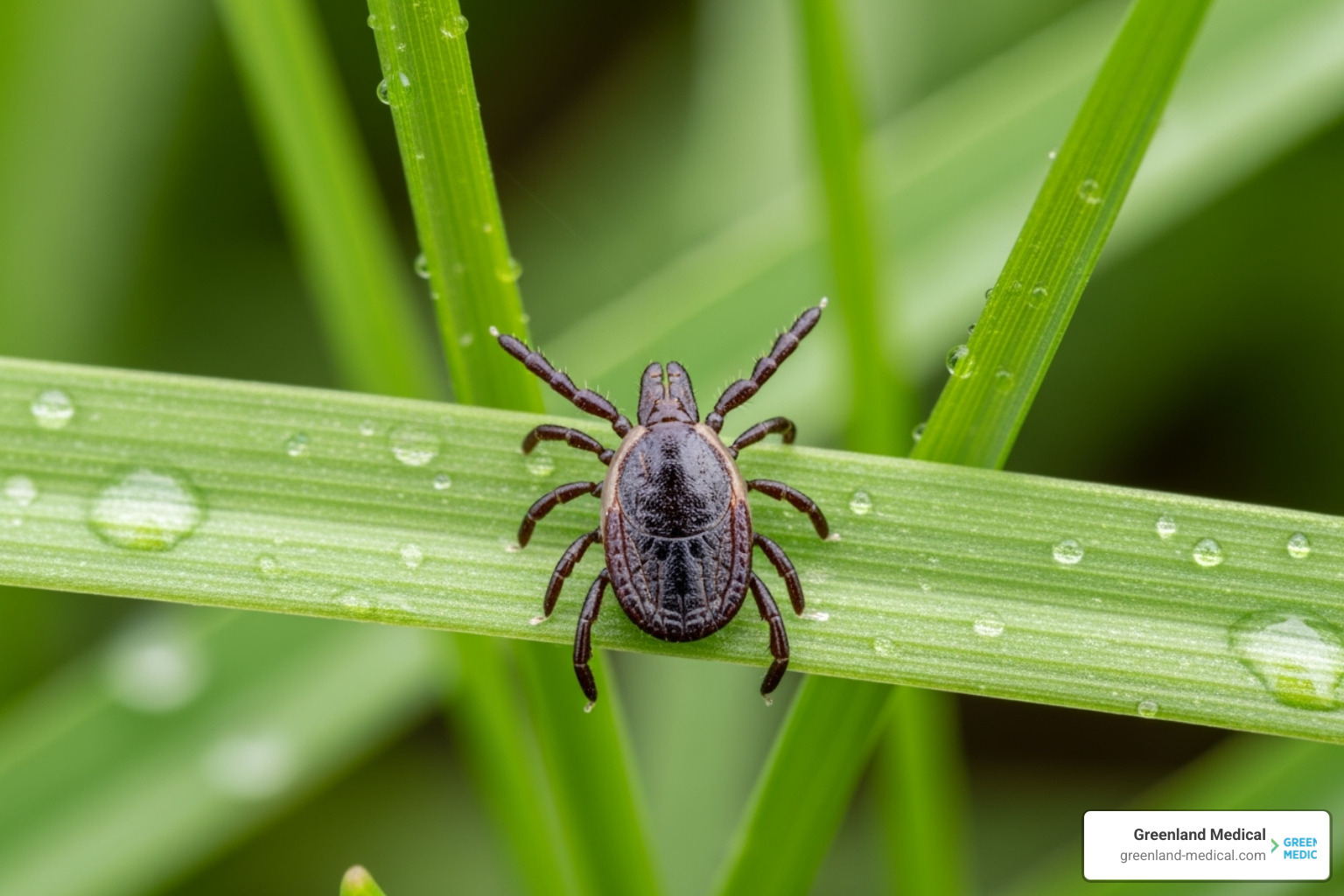
Lyme disease is transmitted by black-legged ticks carrying the Borrelia burgdorferi bacterium. This scenario plays out for roughly 300,000 people each year in the United States alone.
While early treatment with antibiotics like doxycycline or amoxicillin is often successful, it's not the end of the story for everyone. Between 10% and 20% of treated patients develop Post-Treatment Lyme Disease Syndrome (PTLDS), continuing to suffer from debilitating symptoms like fatigue, joint pain, and brain fog.
The reason for this persistence lies in Borrelia's clever survival tactics. When threatened, the bacteria can transform into dormant persister cells that are nearly invisible to antibiotics targeting active cells. They also form protective communities called biofilms, shielding them from both antibiotics and the immune system.
This sophisticated defense strategy explains why conventional antibiotics can fall short and has sparked an urgent search for alternative therapies. The field of lyme disease herbal treatment is particularly compelling, as scientists are finding that certain botanicals may succeed where conventional drugs have failed, especially against these stubborn persister forms.
The Science Behind Lyme Disease Herbal Treatment
When conventional antibiotics fail to resolve Lyme symptoms, many wonder what else is available. Increasingly, the answer is found in the plant kingdom, supported by rigorous, peer-reviewed research from institutions like Johns Hopkins University.
Researchers asked a critical question: if standard antibiotics can't eliminate persister forms of Borrelia burgdorferi, what can? Their investigation into botanical medicines yielded remarkable results. In laboratory settings, certain plant extracts didn't just match the effectiveness of conventional antibiotics—they outperformed them, especially against the stubborn persister cells.
A comprehensive evaluation of natural and botanical medicines for activity against B. burgdorferi revealed that many of these herbs also possess anti-inflammatory properties. This dual action is significant because Lyme disease involves both the bacterial infection and the inflammatory cascade it triggers. These botanicals may address both the fire (infection) and the smoke (inflammation).
Dr. Ying Zhang, a leading researcher, stated: "This study provides the first convincing evidence that some of the herbs used by patients such as Cryptolepis, black walnut, sweet wormwood, cat's claw, and Japanese knotweed have potent activity against Lyme disease bacteria, especially the dormant persister forms..."
Top-Researched Herbs for Lyme Disease Herbal Treatment
These botanicals have demonstrated significant activity against Borrelia burgdorferi in laboratory testing:
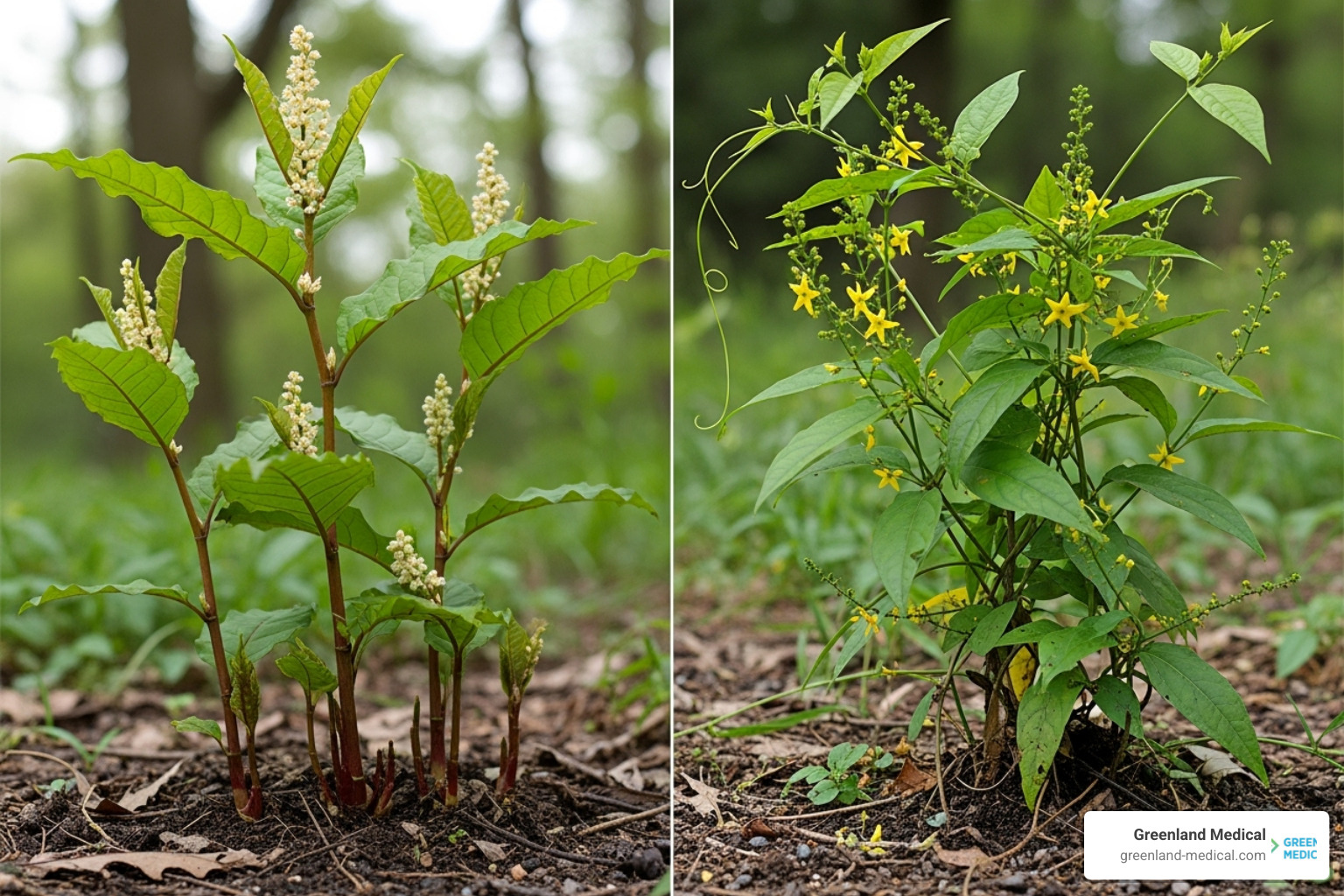
Ghanaian quinine (Cryptolepis sanguinolenta): Emerged as a top performer, completely eradicating Borrelia in lab studies with no regrowth.
Japanese knotweed (Polygonum cuspidatum): Showed strong activity against both free-swimming and microcolony forms of the bacteria.
Cat's claw (Uncaria tomentosa): Known for its antimicrobial and immune-modulating properties.
Chinese skullcap (Scutellaria baicalensis): Outperformed some conventional antibiotics in lab tests.
Sweet wormwood (Artemisia annua): Effective against stationary phase (dormant) bacteria.
Black walnut (Juglans nigra) and Mediterranean rockrose (Cistus incanus) also showed significant activity.
How Botanicals Target 'Persister' Lyme Bacteria
The greatest potential advantage of lyme disease herbal treatment is its ability to target persister cells. These dormant bacteria are largely invisible to standard antibiotics, which target actively dividing cells. However, certain botanicals, like Ghanaian quinine and Japanese knotweed, have proven exceptionally effective at killing these persister forms in lab dishes. The ability of a 1% Ghanaian quinine extract to completely eradicate the bacteria with no regrowth is the kind of sustained elimination needed to address persistent symptoms.
Treatment Activity Against Persister Cells (in vitro) Notes Ghanaian quinine (Cryptolepis) Excellent - Complete eradication No regrowth observed after 7-day treatment. Japanese knotweed Excellent - Strong inhibition Effective at low concentrations. Chinese skullcap Very Good Outperformed some antibiotics in lab tests. Cat's claw Very Good Strong activity plus immune support. Sweet wormwood Good Active against stationary phase bacteria. Doxycycline Poor to Moderate Limited activity against persister forms. Cefuroxime Poor to Moderate Limited activity against persister forms.
While these in vitro results are promising, they provide a scientific foundation for developing more effective treatment protocols that address the full complexity of Lyme disease.
The Challenge of Persistent Lyme Disease
If you've been diagnosed with Lyme disease, you might expect a course of antibiotics to resolve the issue. For many, it does. But for a significant number of people, the story is more complicated.
Lyme disease is caused by the bacterium Borrelia burgdorferi, transmitted by infected ticks. The CDC estimates 300,000 new diagnoses annually in the US. Standard treatment involves antibiotics like doxycycline or cefuroxime. However, 10-20% of patients continue to experience symptoms after treatment, a condition known as Post-Treatment Lyme Disease Syndrome (PTLDS).
These persistent symptoms—crushing fatigue, migrating joint pain, and brain fog—are often misunderstood. The reason they linger is due to Borrelia's remarkable survival strategies. The bacterium can shift into dormant persister cells, which slow their metabolism and hide from antibiotics that target actively dividing cells.
Furthermore, Borrelia can form protective biofilms, shielding clusters of bacteria from both your immune system and antibiotics. These defense mechanisms make the infection incredibly difficult to clear completely.
This is why we must look beyond conventional antibiotics for those with persistent symptoms. At Greenland Medical, we've seen how lyme disease herbal treatment, as part of a comprehensive functional medicine approach, can offer support where standard treatments have fallen short. Our naturopathic medicine services integrate these evidence-based botanical treatments with conventional care for optimal outcomes.
The Science Behind Lyme Disease Herbal Treatment
The exploration of lyme disease herbal treatment has evolved from traditional remedies to rigorous scientific research, with institutions like Johns Hopkins University leading the way. Laboratory studies have revealed that some natural compounds not only show activity against Borrelia burgdorferi but can outperform conventional antibiotics, especially against the stubborn persister forms.
A comprehensive evaluation of natural and botanical medicines for activity against B. burgdorferi found that extracts from black walnut, cat's claw, sweet wormwood, and Chinese skullcap demonstrated stronger activity than both doxycycline and cefuroxime in lab tests. Many of these herbs also offer powerful anti-inflammatory properties, addressing both the infection and the chronic inflammation that drives symptoms.
Dr. Ying Zhang of Johns Hopkins notes that this research provides "convincing evidence" that herbs like Cryptolepis, Japanese knotweed, and others have "potent activity against Lyme disease bacteria, especially the dormant persister forms, which are not killed by the current Lyme antibiotics."
Top-Researched Herbs for Lyme Disease Herbal Treatment
Several botanicals have emerged as particularly promising in laboratory testing against Borrelia burgdorferi:
Ghanaian quinine (Cryptolepis sanguinolenta): A 7-day treatment completely eradicated B. burgdorferi in lab dishes with no regrowth.
Japanese knotweed (Polygonum cuspidatum): Highly effective at low concentrations and rich in resveratrol, known for its anti-inflammatory and neuroprotective properties.
Cat's claw (Uncaria tomentosa): Offers strong antimicrobial activity and may help modulate the immune system.
Chinese skullcap (Scutellaria baicalensis): A multitasking herb with antimicrobial, anti-inflammatory, and neuroprotective benefits.
Sweet wormwood (Artemisia annua): Appears to work against stationary phase Borrelia bacteria.
Black walnut (Juglans nigra) and Mediterranean rockrose (Cistus incanus) have also shown robust activity in lab settings.
How Botanicals Target 'Persister' Lyme Bacteria
The true power of these botanicals lies in how they kill Borrelia, particularly the persister forms that evade conventional treatment. Traditional antibiotics struggle with these dormant cells. However, botanicals like Ghanaian quinine and Japanese knotweed have proven exceptionally effective at killing these microcolonies. The sustained eradication seen with Ghanaian quinine is exactly what is needed for patients with recurring symptoms.
Herbal Extract / Antibiotic Activity Against B. burgdorferi Persister Cells (in vitro) Notes Ghanaian quinine (Cryptolepis) Very High Complete eradication in 7 days at 1% concentration. Japanese knotweed Very High Strong inhibition of microcolonies. Cat's claw High Strong activity; may support immune function. Chinese skullcap High Outperformed standard antibiotics in lab tests. Sweet wormwood High Active against stationary phase bacteria. Doxycycline (standard antibiotic) Moderate Less effective against persister cells. Cefuroxime (standard antibiotic) Moderate Less effective against persister cells.
This data suggests that nature may offer superior solutions for the most challenging aspects of Lyme disease. At Greenland Medical, we integrate these evidence-based botanicals into comprehensive protocols that address not just Lyme, but also common co-infections and related gut health issues that often accompany chronic Lyme disease.
Potent Essential Oils Against Borrelia
Beyond herbal extracts, the highly concentrated aromatic compounds in essential oils show remarkable power in lyme disease herbal treatment. Research suggests they pack a serious punch against Borrelia burgdorferi.
A groundbreaking study tested 35 essential oils against dormant Lyme bacteria. The results were stunning: five oils—from garlic bulbs, allspice berries, myrrh trees, spiked ginger lily blossoms, and may chang fruit—completely eradicated all stationary phase Lyme bacteria within seven days in lab cultures, with no regrowth observed.
Earlier research from Johns Hopkins found that essential oils from oregano, cinnamon bark, and clove buds killed stationary phase Lyme bacteria more effectively than daptomycin, a potent antibiotic. These findings are detailed in the Identification of Essential Oils with Strong Activity study.
Mechanisms and Application of Essential Oils
Essential oils appear to attack Borrelia from multiple angles. Their primary weapon is disrupting bacterial membranes, causing leakage and cell collapse. They also demonstrate impressive anti-biofilm activity, breaking down the protective fortresses where bacteria hide.
However, this potency requires extreme caution. The power that makes these oils effective also makes them potentially dangerous if used improperly. They are highly concentrated substances that must be treated as serious medicine.
Only therapeutic-grade, unadulterated essential oils should ever be considered for therapeutic use, and only under the guidance of a qualified healthcare professional. At Greenland Medical, we view essential oils as a powerful tool within a carefully designed, personalized protocol, never as a DIY approach to treating Lyme disease. Their use requires professional oversight to ensure both safety and effectiveness. Learn more about our integrative approach to chronic illness and how we safely incorporate these potent botanicals into treatment plans.
Safety, Side Effects, and Professional Guidance
It is critical to understand that just because a treatment is natural does not mean it is harmless. Lyme disease herbal treatment involves powerful compounds that require professional oversight.
The herbal supplement industry has less regulation than pharmaceuticals, meaning product purity and concentration can vary wildly. This is why working with a qualified healthcare professional is essential. As Dr. Sunjya K. Schweig notes, patients need effective and accessible options, but "accessible" should not mean "unsupervised."
At Greenland Medical, we bridge the gap between research and safe, practical application, creating individualized protocols based on your unique health picture.

Safety Considerations for a Lyme Disease Herbal Treatment Protocol
Before starting any herbal protocol, several safety factors must be considered:
Herxheimer Reaction: This "herxing" or die-off reaction occurs when bacteria die quickly, releasing toxins. Symptoms like fatigue and joint pain can temporarily worsen. A professional can help manage this with adjusted dosing to prevent the reaction from becoming overwhelming.
Liver Toxicity: Some herbs can stress the liver, especially with long-term use. We regularly monitor liver function to ensure safety.
Drug-Herb Interactions: Botanicals can interact with medications. For example, Japanese knotweed has blood-thinning properties, and Cat's claw can interfere with immunosuppressants. These interactions must be managed by a knowledgeable provider.
Need for Monitoring: Regular blood work, symptom tracking, and ongoing communication with your provider are non-negotiable for a safe and effective treatment.
Our functional medicine approach involves creating a personalized protocol that is both effective and safe. You can find more info about safe treatment protocols through our consultations.
Frequently Asked Questions about Herbal Lyme Treatments
Navigating lyme disease herbal treatment can bring up many questions. Here are answers to some of the most common ones.
Can herbs cure Lyme disease on their own?
While lab research is incredibly promising, no lyme disease herbal treatment has been proven to cure Lyme disease on its own in human trials. Herbs are best used as part of an integrative strategy to support conventional treatment, manage symptoms, and target resilient persister cells and biofilms under professional guidance.
How long does it take for herbal treatments to work?
The timeline varies significantly depending on the individual, the specific protocol, the stage of the disease, and the presence of any co-infections. There is no set timeline; it is a journey that requires patience, consistency, and close monitoring with your healthcare provider to adjust the protocol as needed.
Are these herbal treatments approved by the FDA?
No. The herbal treatments discussed are classified as dietary supplements and are not approved by the FDA for the treatment of Lyme disease. They have not undergone the large-scale human clinical trials required for FDA approval to treat a specific disease. While the lab research is compelling, these herbs are considered complementary or alternative therapies. For more details, you can refer to the FDA disclaimer on supplements.
The Future of Botanical Medicine for Lyme Disease
We are at an exciting crossroads in lyme disease herbal treatment research. The laboratory findings are remarkable, but we are still in the early chapters of this story.
The most significant gap is the transition from lab studies to large-scale human clinical trials. We need more research to confirm effects in patients and to determine optimal dosing and long-term safety. As researcher Jacob Leone states, "further preclinical studies and clinical trials are needed to establish evidence for effective treatment of Lyme disease patients with these herbal medicines."
Obstacles like research funding and extract standardization slow progress. This is where functional medicine plays a vital role. At Greenland Medical, we bridge the gap between cutting-edge research and clinical wisdom, thoughtfully integrating promising natural therapies while always prioritizing safety. Our personalized treatment protocols draw from both modern science and time-tested natural approaches.
The future of Lyme treatment is not about choosing between antibiotics and herbs, but about intelligently combining them. As research evolves, we remain committed to bringing evidence-based natural therapies to our patients, particularly those dealing with cognitive decline and other complications often associated with chronic Lyme disease.
If you are struggling with persistent Lyme symptoms, we invite you to explore our approach to chronic illness. Your journey to wellness deserves a partner who understands both the science and the art of healing. Contact us to learn more about our functional medicine consultations and how we can support your recovery.
