
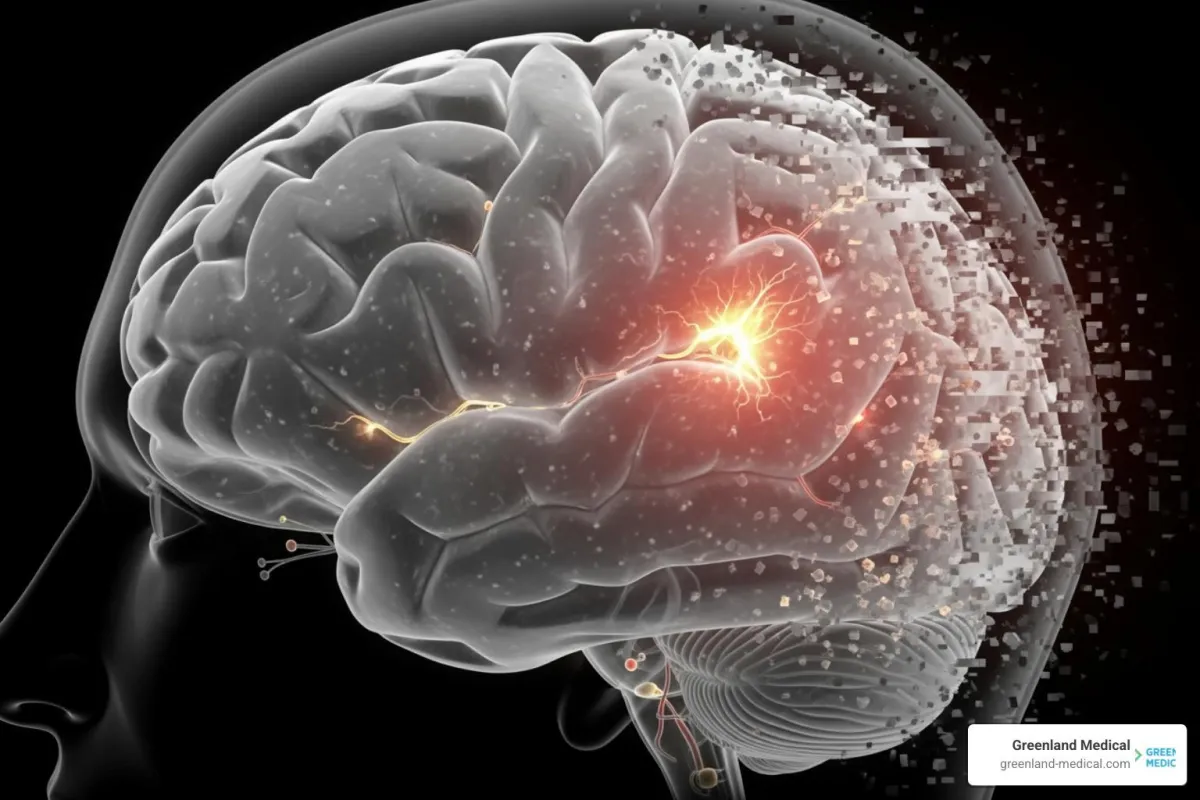
The Silent Saboteur: How Chronic Inflammation Steals Your Memories
The Hidden Threat to Your Mind
Inflammation and memory loss are more connected than most people realize. While we associate inflammation with a cut or the flu, a chronic form of this immune response is silently affecting millions of minds.
Here's what you need to know about inflammation and memory loss:
Chronic inflammation in midlife increases memory decline by 8-12% over 20 years
Memory is affected more than other brain functions like language or decision-making
The damage can start decades before symptoms appear - often in your 40s and 50s
Certain inflammatory markers (like C-reactive protein) predict future cognitive problems
The good news: inflammation-induced memory loss may be treatable and reversible
A groundbreaking Neurology study of over 12,000 people for two decades found that adults with the highest inflammation markers in their 40s, 50s, and early 60s had a steeper cognitive decline later in life. They experienced an 8% steeper decline in thinking and memory skills compared to those with the lowest levels.
This isn't normal aging. Inflammation changes brain structure, shrinking memory-critical areas like the hippocampus and disrupting memory formation at a cellular level.
As Dr. Andrew Greenland, a Certified Functional Medicine Practitioner and Bredesen Protocol specialist at Greenland Medical, I've seen how addressing the root causes of chronic inflammation can dramatically improve cognitive function and help people reclaim their mental clarity.
What is Inflammation and How Does It Affect the Brain?
Inflammation is your body's internal fire department. When you get a cut, the redness and swelling are your immune system rushing to fight infection and heal. This is acute inflammation, and it's essential for survival. It works fast, does its job, then resolves.
But when that protective response smolders for months or years, it becomes chronic inflammation, a key factor in inflammation and memory loss.

The Two Faces of Inflammation
Acute inflammation is short-term and protective, resolving in days or weeks.
Chronic inflammation is different. This low-grade, persistent inflammation can last for years without obvious symptoms. Unlike the clear signs of an injury, chronic inflammation is often invisible. It's linked to conditions like autoimmune diseases, heart disease, and diabetes. Common triggers include ongoing stress, poor sleep, processed foods, environmental toxins, and oxidative stress—an imbalance of harmful molecules called free radicals.
When Inflammation Crosses into the Brain
Your brain is protected by the blood-brain barrier, a selective security system that keeps harmful substances out. The brain also has its own immune cells, microglia and astrocytes, which act as a housekeeping crew, removing damaged cells and supporting healthy function.
Chronic inflammation changes this. Inflammatory molecules in your bloodstream, particularly cytokines, can make the blood-brain barrier "leaky." This allows harmful substances into your brain, leading to neuroinflammation.
Once inside, those helpful microglia and astrocytes become overactive and destructive. They release more inflammatory chemicals, creating a vicious cycle that damages brain cells and disrupts communication between neurons.
The 'brain fog' you feel during the flu is a form of this, called "sickness behavior." When this state becomes chronic, it leads to the persistent memory problems that characterize inflammation and memory loss. This ongoing neuroinflammation impairs your brain's ability to form new memories and can shrink important memory centers like the hippocampus.
The Damaging Link: How Chronic Inflammation and Memory Loss Are Connected
The relationship between chronic inflammation and memory problems is a proven reality reshaping how we view brain health. Scientists have built an overwhelming case that inflammation and memory loss are intimately connected.
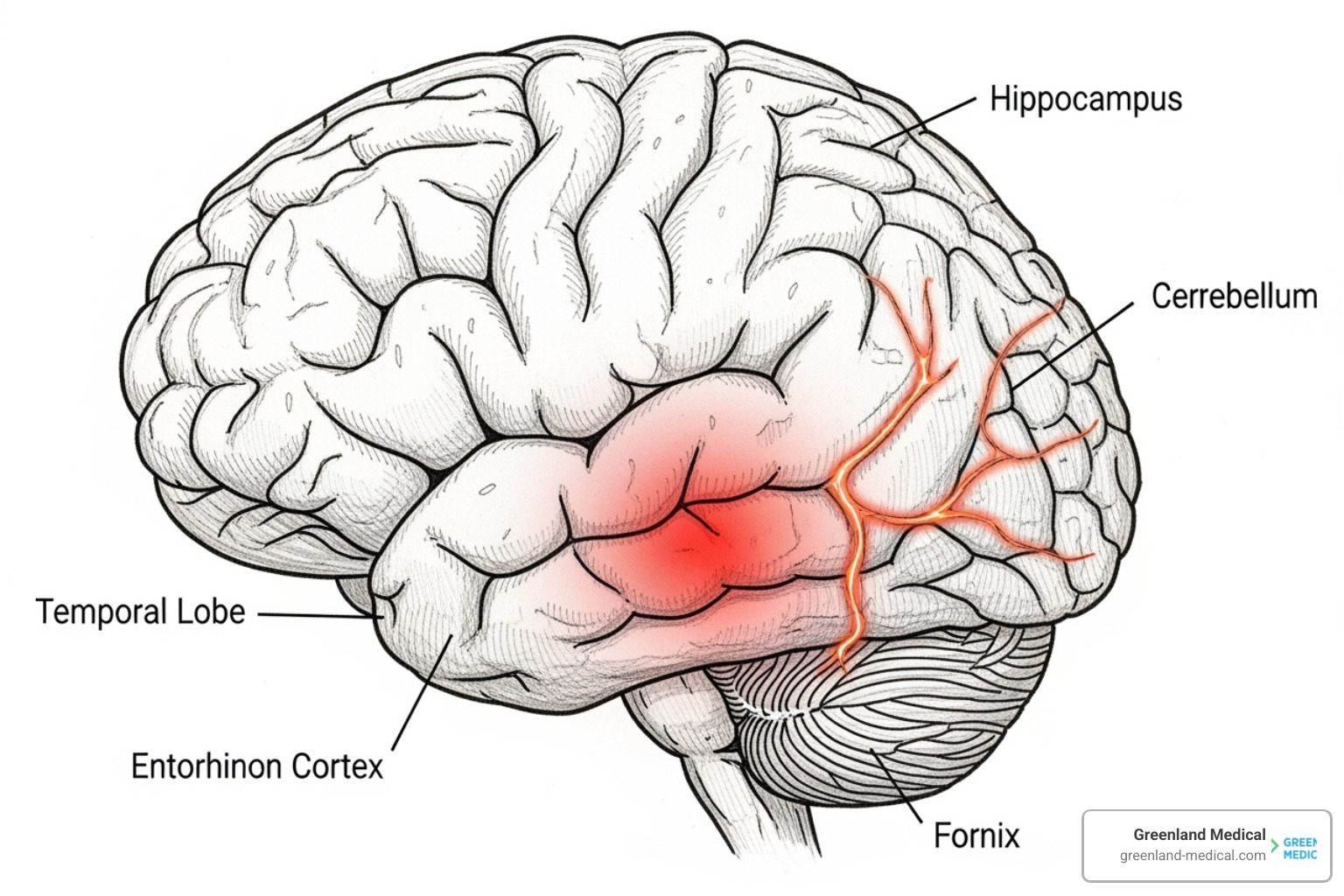
Think of your brain as an orchestra. Inflammation is like a disruptive noise, preventing brain cells from communicating, disorganizing the hippocampus (the conductor), and distorting your memories. Worryingly, common dementias like Alzheimer's and vascular dementia involve chronic inflammation that fuels their progression. It's like aging on fast-forward.
The Evidence: What the Numbers Say
The research is compelling. A 20-year study of over 12,000 people revealed a troubling link. Adults with the highest inflammation levels in their 40s, 50s, and early 60s experienced an 8 percent steeper decline in thinking and memory skills compared to those with the lowest levels. People with the highest C-reactive protein (CRP) levels faced a 12 percent steeper decline.
Crucially, memory took the biggest hit—much more than language or decision-making. This highlights the specific link between inflammation and memory loss. The research also shows that mid-life inflammation matters enormously, as the damage often begins decades before symptoms appear. You can read more about this groundbreaking research in this study published in Neurology®.
Key Inflammatory Markers to Know
We measure inflammation by looking for specific markers in your blood.
C-reactive protein (CRP): Produced by the liver in response to inflammation. Higher CRP levels directly predict steeper memory decline.
Interleukin-6 (IL-6): An inflammatory messenger. Liftd IL-6 levels consistently predict poorer performance on memory tests, like the Mini-Mental State Examination (MMSE).
Tumor necrosis factor-alpha (TNF-α): An inflammatory chemical that can overstimulate brain cells, directly impairing thinking.
These markers provide a window into your body's inflammatory state before symptoms appear.
Key Mechanisms of Inflammation and Memory Loss
Inflammation damages memory through several interconnected pathways:
Impaired neurogenesis: Chronic inflammation blocks the growth of new neurons, especially in the hippocampus, the brain's memory center.
Hippocampus damage: This crucial brain region shrinks when exposed to persistent inflammation.
Neurodegeneration: Activated brain immune cells produce toxic substances that kill healthy neurons.
Atherosclerosis: Inflammation hardens blood vessels, reducing blood flow to the brain and starving it of oxygen and nutrients.
Amyloid plaque formation: In Alzheimer's, inflammation triggers and worsens the buildup of amyloid plaques, which in turn cause more inflammation, creating a vicious cycle.
Disrupted synaptic plasticity: Inflammation interferes with the brain's ability to strengthen connections between neurons, which is essential for creating and retrieving memories.
Reclaiming Your Mind: Can Inflammation-Induced Memory Loss Be Reversed?
If you're worried that memory loss is an inevitable part of aging, there's encouraging news. When it comes to inflammation and memory loss, there is real hope. Science shows that inflammation-induced memory loss may be treatable and even reversible. This changes how we view cognitive decline, shifting from acceptance to action.

At Greenland Medical, we focus on finding and fixing the root causes of cognitive decline. By leveraging the brain's amazing ability to heal and rewire itself (neuroplasticity), this approach often leads to remarkable improvements in memory and thinking.
Hope from the Lab: Reversing the Damage
Exciting research shows how we might reverse inflammation-related memory problems. When inflammation from infection, surgery, or stress hits the brain, it activates specific "memory-blocking" receptors (α5GABAA receptors) in the hippocampus. The inflammatory molecule IL-1β is the main culprit. Researchers found that by targeting these receptors, they can reverse the memory loss without interfering with the body's overall healing process. You can learn more about this groundbreaking work at the Research on reversing memory loss page.
This tells us that inflammation and memory loss isn't a one-way street. Your brain can bounce back.
The Power of Proactive Health Management
While scientists develop new treatments, we already have powerful tools. The key is early detection and intervention, ideally starting in your 40s and 50s. This is where functional medicine shines. We look for early warning signs and address them head-on by reducing your overall inflammatory load.
The goal is neuroprotection—protecting existing brain cells while encouraging new growth. This means identifying and addressing the source of your inflammation, whether it's hidden food sensitivities, chronic infections, or unresolved stress. Research like The impact of inflammation on cognitive function in older adults shows how vital this proactive approach is. We're not just slowing decline; we're actively working to improve brain function and build resilience.
Your Anti-Inflammatory Toolkit: Lifestyle Strategies for a Sharper Brain
You have more control over inflammation and memory loss than you think. Your daily choices about diet, exercise, and stress directly impact brain inflammation. You can build a personal anti-inflammatory toolkit, one healthy habit at a time.

Fueling Your Brain: The Anti-Inflammatory Diet
Your fork is a powerful tool against brain inflammation. Every meal is a chance to fight it. Focus on these foods:
Fatty fish like salmon and mackerel are packed with omega-3 fatty acids that cool inflammation. Walnuts and flaxseeds are great plant-based sources.
Colorful berries like blueberries and strawberries are loaded with antioxidants that protect your memory.
Leafy greens like spinach and kale are incredibly effective at reducing inflammation. Add them to smoothies if you dislike salads.
Nuts and olive oil provide healthy, anti-inflammatory fats.
Conversely, limit processed foods, refined carbs, and added sugars, as they fuel the inflammatory fire.
Move Your Body, Clear Your Mind
Exercise is one of the most effective ways to reduce inflammation and protect your memory. Regular exercise lowers your C-reactive protein (CRP) levels, a key inflammatory marker. It also increases blood flow to the brain and helps it grow new neurons (neurogenesis), directly fighting back against inflammation and memory loss.
You don't need to be a marathon runner. Consistent, moderate-intensity activities like brisk walking, swimming, or cycling make a significant difference. Aim for movement most days of the week.
Lifestyle Changes to Combat Inflammation and Memory Loss
Beyond diet and exercise, other factors are crucial for managing inflammation.
Manage Stress: Chronic stress fuels inflammation via the hormone cortisol. Stress reduction techniques like meditation, yoga, or deep breathing can significantly lower both stress and inflammatory markers.
Prioritize Sleep: During sleep, your brain cleans out inflammatory waste. A lack of quality sleep disrupts this process. Aim for seven to nine hours of restorative sleep per night.
Stay Socially Connected: Strong social relationships reduce stress and provide cognitive stimulation, creating a buffer against the harmful effects of inflammation.
Frequently Asked Questions about Inflammation and Memory
Here are answers to common questions about the connection between inflammation and memory loss.
How quickly can inflammation affect memory?
It depends on the type. Acute inflammation from the flu or surgery can cause temporary "brain fog" within hours or days, which usually resolves as you heal.
Chronic inflammation works slowly and quietly, like a slow leak. The damage often starts in your 40s and 50s, with memory problems appearing decades later. This is why midlife inflammation is a significant predictor of later cognitive decline.
Can a blood test show if inflammation is causing my memory issues?
Yes, blood tests can show high levels of systemic inflammation. We look for markers like high-sensitivity C-reactive protein (hs-CRP) and Interleukin-6 (IL-6). Liftd levels indicate a pro-inflammatory state, increasing your risk for memory problems.
However, these tests are a clue, not the whole story. Like a smoke detector, they tell us there's a problem, but we still need to find the source. A comprehensive evaluation is needed to identify all factors contributing to cognitive concerns.
Is inflammation's effect on memory different from Alzheimer's?
This is a crucial point: inflammation isn't separate from Alzheimer's disease—it's a key player that makes it worse.
In Alzheimer's, chronic brain inflammation acts like gasoline on a fire. It accelerates the formation of harmful amyloid plaques and tangles, making the disease progress faster.
Importantly, inflammation can also impair memory even without Alzheimer's disease. Inflammation from conditions like diabetes or heart disease can cause memory problems on its own. This is encouraging because addressing inflammation can help your memory regardless of whether Alzheimer's is part of the picture.
Conclusion: Take Control of Your Cognitive Future
The story of inflammation and memory loss doesn't have to end in fear. Your cognitive future isn't set in stone. We now know that memory loss is often driven by chronic inflammation—something you can influence.
We've learned that chronic inflammation quietly damages your brain, often starting in your 40s and 50s. Inflammatory markers like CRP and IL-6 are early warning signals, telling us that trouble is brewing long before symptoms appear.
But the story is hopeful. Memory loss from inflammation isn't necessarily permanent. More importantly, the power to protect your brain is already in your hands. Every healthy meal, walk, and good night's sleep is a scientifically proven way to reduce inflammation and protect your memories.
At Greenland Medical, we see this change happen. Using a root cause approach with personalized Functional and Naturopathic Medicine, including the Bredesen Protocol, we actively find and fix the drivers of inflammation. We combine advanced diagnostics with natural therapies to help your brain heal.
Your memories are worth fighting for. The best time to protect your brain was twenty years ago. The second best time is right now. Learn more about our approach to cognitive decline and find how we can help you build a sharper, more resilient mind for the years ahead.
Your cognitive future is still being written, and you hold the pen.
