

Herbal Helpers: Unlocking Natural Treatments for Nerve Discomfort
Why Natural Remedies Are Changing Nerve Pain Treatment
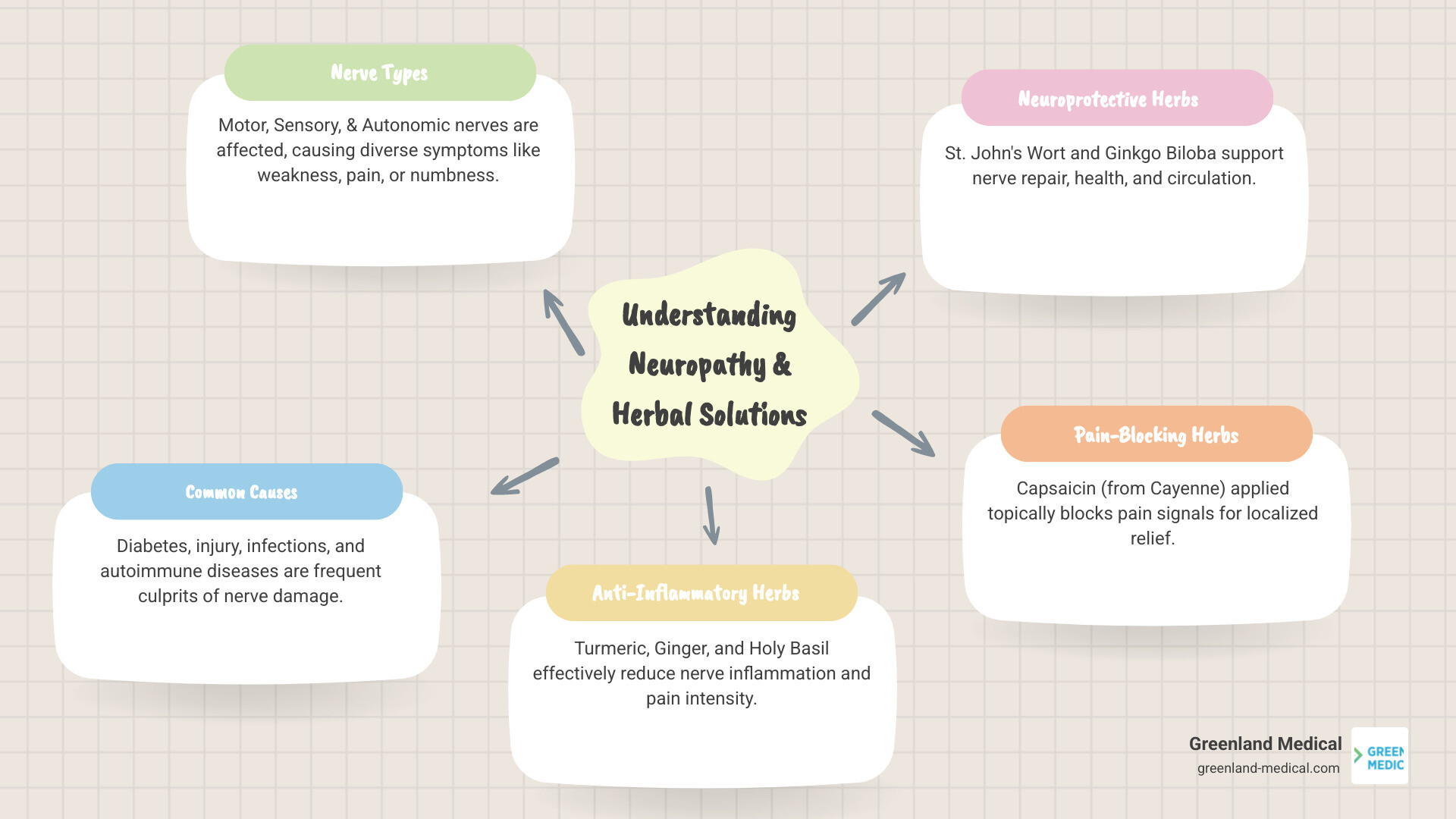
Herbs for nerve pain offer hope for millions suffering from the burning, tingling, and numbness of peripheral neuropathy. For those seeking natural relief, research points to several effective options:
Top Herbs for Nerve Pain:
Turmeric (Curcumin) - Reduces inflammation and pain intensity
Ginger - Provides antioxidant and anti-inflammatory effects
St. John's Wort - May help repair nerve sheaths and reduce neuropathic pain
Capsaicin (Cayenne) - Blocks pain signals when applied topically
Ginkgo Biloba - Offers neuroprotective benefits and improves circulation
Holy Basil - Calms overactive nervous system responses
Chronic neuropathic pain affects millions, and conventional treatments often fall short. As one research review noted: "Despite the large number of available drugs, there are no curative conventional treatments for neuropathic pain." This has sparked interest in herbal medicine, where natural compounds work by reducing inflammation, protecting nerves, and blocking pain signals. Nerve pain stems from damaged nerves sending false signals. The good news is that research shows specific herbs can address these root causes while supporting natural healing.
I'm Dr. Andrew Greenland, an integrative functional medicine practitioner at Greenland Medical. I've seen remarkable results combining evidence-based herbs for nerve pain with personalized protocols that address root causes like inflammation and nutritional deficiencies, helping countless patients find lasting relief.
Understanding Peripheral Neuropathy and Its Causes
Peripheral nerves are the body's electrical wiring, carrying messages between your brain, spinal cord, and the rest of your body. When these nerves are damaged in peripheral neuropathy, the signals get scrambled, causing weakness, pain, and numbness, typically in the hands and feet. The burning, tingling, and sharp pains are signs of this faulty communication.
Understanding what causes this nerve damage is crucial for exploring herbs for nerve pain. The most effective protocols target these underlying causes:
Diabetes is the leading cause. High blood sugar damages the small blood vessels nourishing your nerves, leading to inflammation and oxidative stress that destroys nerve function. Diabetic neuropathy often responds well to anti-inflammatory herbs.
Traumatic injuries from accidents or falls can be followed by ongoing inflammation, where herbal interventions can be beneficial.
Infections like shingles, Lyme disease, and HIV can trigger inflammatory attacks on nerve tissues. As Common causes of nerve damage research shows, herbs can help address the resulting inflammation.
Autoimmune diseases like lupus and rheumatoid arthritis cause the immune system to attack nerve tissues. Immune-modulating and anti-inflammatory herbs are key for management.
Toxins and medications, especially chemotherapy drugs, can poison nerve cells. Neuroprotective herbs can support recovery from chemotherapy-induced peripheral neuropathy (CIPN).
![IMAGE illustrating the three types of peripheral nerves]
Your symptoms depend on which nerves are damaged. Types of nerves and their symptoms research helps clarify these patterns.
Motor nerve damage affects muscles, causing weakness, cramps, and muscle wasting, making simple tasks difficult.
Sensory nerve damage disrupts sensation, leading to burning, numbness, or allodynia (pain from gentle touch).
Autonomic nerve damage affects involuntary functions, causing dizziness, digestive issues, and abnormal heart rate or blood pressure.
Factors like smoking, alcohol misuse, vitamin deficiencies, and hormonal imbalances can worsen neuropathy. As noted by the Factors that may make peripheral neuropathy worse, many of these respond well to natural interventions, creating a better foundation for herbal therapies.
The Crucial Role of Vitamins and Minerals
Nutritional deficiencies are a common, often overlooked cause of peripheral neuropathy. At Greenland Medical, we frequently find that patients with chronic nerve pain have unaddressed vitamin deficiencies. Nerves require specific nutrients to function and repair, and a lack of these can lead to damage.
Vitamin B12 is critical for nerve health, as it helps build the protective myelin sheath around nerves. Most common vitamin deficiencies research links B12 deficiency to neuropathy symptoms like burning, weakness, and pins-and-needles. Since it develops slowly, damage can be extensive before symptoms appear.
Vitamin B1 (thiamine) deficiency is common in alcoholism. Vitamin B6 is a "Goldilocks vitamin"—too little or too much can cause neuropathy. Vitamin E is a powerful antioxidant protecting nerves from oxidative stress. Copper deficiency, though less common, can also cause nerve issues.
The balance of calcium and magnesium is also vital. As The role of calcium and magnesium in nerve health research shows, an imbalance can trigger neuropathy. Magnesium is especially important for nerve conduction and muscle relaxation, and its deficiency is linked to neuropathy in type 2 diabetes.
A nutrient-dense diet of whole foods is the best start, but targeted supplementation is often necessary. This nutritional foundation allows herbs for nerve pain to work more effectively by reducing inflammation and supporting the natural healing process.
Top Herbs for Nerve Pain Relief
Herbs for nerve pain work because they contain complex natural compounds that act synergistically. They tackle nerve pain through several mechanisms: Anti-inflammatory properties calm nerve irritation, antioxidant compounds protect nerve cells from oxidative stress, and neuroprotective benefits guard against further damage while supporting regeneration.
A review of medicinal herbs for neuropathic pain highlights their promise. At Greenland Medical, we create effective protocols by understanding which herbs work best for specific nerve issues and how to use them safely.

Anti-Inflammatory Herbs for Nerve Pain
When inflammation is driving your nerve pain, these herbs for nerve pain can be game-changers.
Turmeric's active compound, curcumin, reduces inflammation and modulates pain pathways. Research shows it can lower key inflammation markers and directly reduce pain behavior.
Ginger contains gingerols and shogaols, which fight both inflammation and oxidative stress. Studies show it can reduce muscle pain and inflammation over time.
Holy Basil (Tulsi) is an adaptogen that fights inflammation, helps the nervous system cope with stress, and provides neuroprotective benefits. It may also calm overactive nerve signals.
Rosemary contains compounds that reduce spinal inflammation and offer neuroprotective benefits, making it helpful for nerve-related discomfort.
Black cumin seeds contain thymoquinone, which research confirms can reduce oxidative stress and provide analgesic and anti-inflammatory effects for neuropathic pain.
Cannabis compounds like CBD and THC show promise for neuropathic pain via their anti-inflammatory and pain-modulating effects. While medical programs exist in many states, it remains federally controlled and requires professional guidance. Topicals can offer local relief without systemic effects.
For those interested, this list of anti-inflammatory herbs provides additional research-backed choices.
Neuroprotective and Analgesic Herbs for Nerve Pain
These herbs go beyond symptom relief to protect your nerves and support healing.
St. John's Wort, known for mood support, also has impressive nerve-healing properties. Research suggests it can promote nerve regeneration and repair, making it valuable for long-term nerve health.
Ginkgo Biloba improves circulation and protects against nerve damage. Studies show it can reduce allodynia (pain from non-painful stimuli).
Passionflower offers gentle nerve support, calming the nervous system to break the pain-stress cycle.
Skullcap is a traditional nerve tonic that soothes an overactive nervous system and may improve blood flow to the brain, helping with the emotional toll of chronic pain.
Acorus Calamus (Sweet Flag) has anti-inflammatory and antioxidant benefits, showing promise for chemotherapy-induced neuropathy.
Mitragyna Speciosa (Kratom) provides significant pain relief by interacting with opioid receptors. However, its potential for dependence and variable legal status mean it must be approached with caution and professional guidance.
Topical Herbal Applications for Localized Relief
Topical herbs for nerve pain can provide targeted relief without affecting your whole system.
Cayenne pepper's capsaicin works by desensitizing nerve endings and reducing pain-transmitting chemicals. A 2020 study found it offers significant pain relief and improves quality of life, and it's often used for shingles pain and diabetic neuropathy.
Arnica is traditionally used for trauma-related pain and inflammation. Comfrey may support tissue healing but should only be used topically on unbroken skin due to its alkaloids.
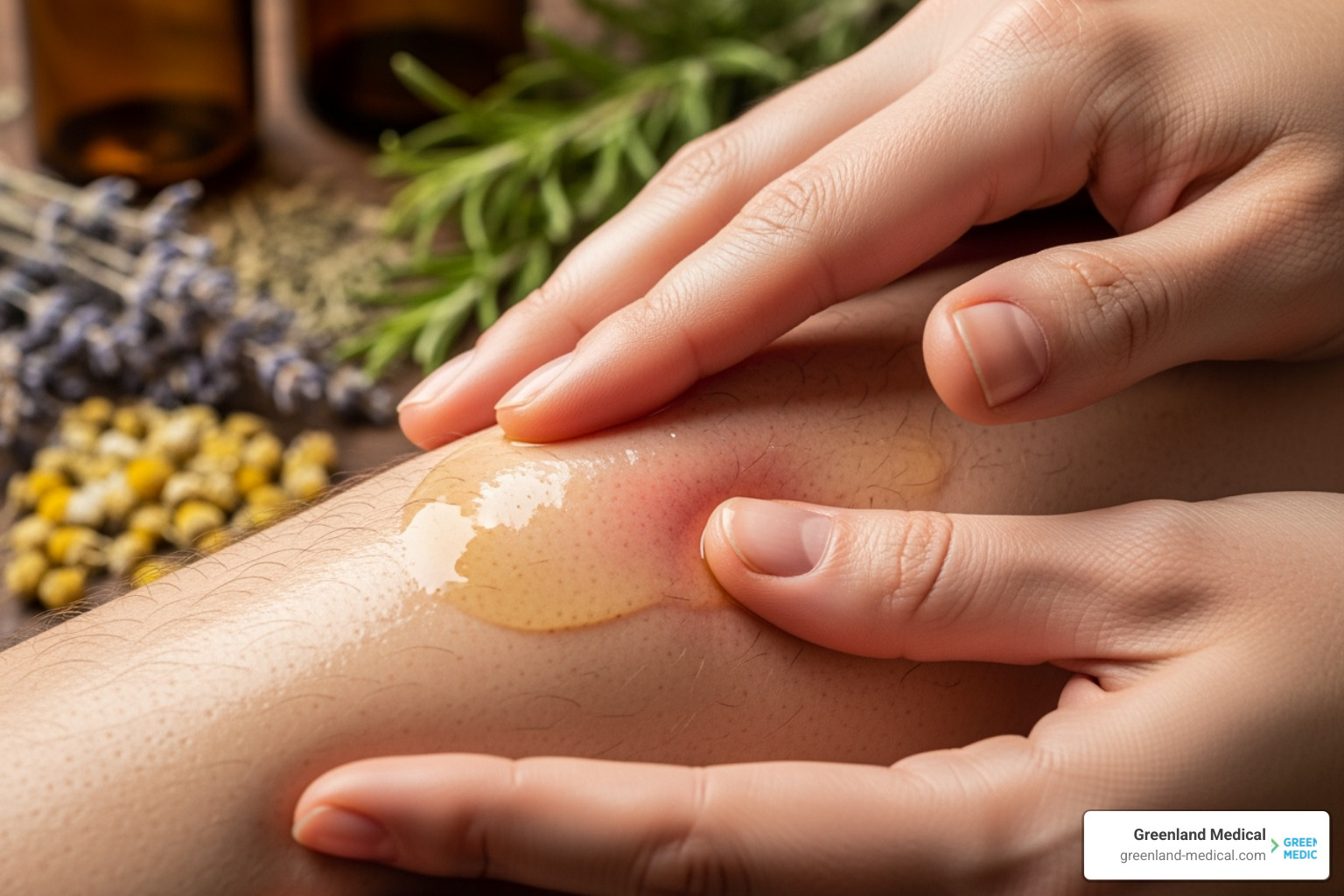
You can create an herbal oil by infusing dried herbs in a carrier oil (like olive or almond) for several weeks. The strained oil can be used for massage or mixed with beeswax to make a salve. Creams are water-based and lighter, while oil-based salves are more protective.
Complementary and Lifestyle Approaches
While herbs for nerve pain offer relief, neuropathy responds best to a combined approach. At Greenland Medical, we see the most dramatic improvements when patients pair natural remedies with lifestyle changes. This creates a healing environment for nerves by reducing inflammation and improving circulation. Unlike conventional treatments that may only mask symptoms, a holistic approach addresses root causes, giving your nervous system the best chance to regenerate.

Essential Oils for Neuropathic Symptoms
Essential oils are another powerful tool. These concentrated plant essences can reduce inflammation, improve circulation, and provide pain relief. Research on essential oils for pain shows promising results for oils that complement an herbal protocol.
Lavender is highly versatile, containing compounds that reduce pain, calm inflammation, and protect against oxidative damage. Massaging diluted lavender oil into painful areas can aid sleep.
Peppermint oil provides immediate cooling relief due to its menthol content. Applied topically (diluted), it creates a numbing sensation that interrupts pain signals, which is helpful for burning pain.
Eucalyptus is a powerful anti-inflammatory that can reduce pain and swelling. Bergamot offers similar benefits with an uplifting scent.
To use essential oils safely, always dilute them in a carrier oil (e.g., coconut, jojoba) at a ratio of 3-5 drops per teaspoon. Massage the blend onto painful areas, add to a warm bath, or use in a diffuser. Never apply undiluted oils to the skin, never ingest them, and always perform a patch test first.
Lifestyle Changes to Support Nerve Regeneration
Nerves can heal when given the right conditions. The following lifestyle changes create an optimal healing environment, working with your herbal protocol to maximize recovery.
Quitting smoking is crucial. Smoking narrows blood vessels, restricting oxygen and nutrients needed for nerve repair. How smoking affects blood circulation and pain research links smoking to more severe neuropathy symptoms. Circulation improves within days of quitting.
Regular exercise, even gentle movement like a daily walk, is medicine for your nerves. It helps control blood sugar, improves circulation, and releases natural pain-relievers. How exercise can reduce nerve damage studies confirm it can slow or even reverse some nerve damage.
Stress management is key to breaking the vicious cycle where stress worsens pain and pain causes stress. Meditation for pain intensity reduction research shows that practices like meditation can significantly decrease pain intensity.
Anti-inflammatory eating provides nutrients for nerve healing. Focus on colorful vegetables, omega-3-rich fish, nuts, and berries, while avoiding processed foods, sugar, and inflammatory oils.
Warm baths increase blood flow, delivering nutrients to damaged nerves. Adding Epsom salts provides magnesium to relax muscles and calm nerves.
Acupuncture stimulates the body's healing mechanisms. Acupuncture for peripheral neuropathy studies show promising results for encouraging nerve regeneration and pain relief.
These approaches work synergistically. Combining them with targeted herbs for nerve pain addresses neuropathy from every angle, giving your nervous system comprehensive support.
Frequently Asked Questions about Herbs for Nerve Pain
Here are the questions we hear most often about using herbs for nerve pain.
How long does it take for herbs to show results for nerve pain?
Herbs for nerve pain work by addressing root causes, not just masking symptoms, so they take time. The results, however, are often more lasting. The timeline for results depends on several factors:
The herb: Topical capsaicin may offer relief in weeks, while neuroprotective herbs like St. John's Wort can take 6-8 weeks.
Your condition: Mild, recent nerve irritation may respond faster than chronic neuropathy.
Consistency: Consistent use is key. Commit to at least 8-12 weeks before assessing effectiveness, as nerves heal slowly.
Many people notice improvements in sleep and mood within a few weeks, which can be encouraging.
Can I use herbal remedies alongside my prescription medications?
This is a critical question. The answer is: it depends, and you must consult a qualified healthcare provider. Natural does not mean free of interactions. Herbs are powerful and can interact with prescriptions.
Dangerous interactions: St. John's Wort can alter how your body processes many drugs. High-dose turmeric or ginger can interfere with blood thinners like warfarin.
Reduced effectiveness: Some herbs can make your prescriptions less potent.
At Greenland Medical, we specialize in safely integrating natural and conventional therapies by carefully reviewing your medications and health history. Never stop or change prescription medications on your own. Always discuss herbal options with your healthcare team to create a safe, effective plan.
What is the most effective way to use herbs for nerve pain?
The most effective method depends on your specific pain and lifestyle, but a combination of internal and topical use often yields the best results.
Internal Use: Builds systemic support. Options include gentle teas, concentrated and fast-absorbing tinctures, or standardized capsules.
Topical Use: Targets localized pain for faster relief. Creams with capsaicin can block pain signals directly, while herbal oils can be massaged in to boost circulation.
The best approach is custom to you. For example, diabetic foot pain might benefit from internal turmeric for inflammation and a topical capsaicin cream. Consistency is more important than intensity. The best method is one you can stick with long-term. Work with a practitioner to design a safe and effective protocol for your needs.
Conclusion
Finding relief from nerve pain is possible. As we've explored, herbs for nerve pain offer genuine hope by working with your body to reduce inflammation, protect nerve cells, and provide comfort beyond just masking symptoms. Herbs like Turmeric, Capsaicin, and St. John's Wort tackle nerve pain from multiple angles, creating an environment for true healing.
At Greenland Medical, we've seen that the best results come from combining these herbs with supportive lifestyle changes. Quitting smoking, exercising, managing stress, and adopting an anti-inflammatory diet create the conditions for your nerves to regenerate. This holistic, root-cause approach is at the heart of what we do, whether using the Bredesen Protocol or other personalized plans.
While natural remedies have incredible potential, they are powerful medicine. Always work with a qualified healthcare professional who understands your health history and potential interactions. Your safety is paramount.
If you're ready to explore a personalized approach that combines modern science with nature's wisdom, we're here to help find and fix the root causes of your nerve discomfort.
Learn more about our personalized Naturopathic Medicine services to start your path toward lasting nerve health.
