
Neuroprotection Unlocked: Functional Medicine's Fresh Take on Alzheimer's
The Promising Alternative: Functional Medicine for Alzheimer's
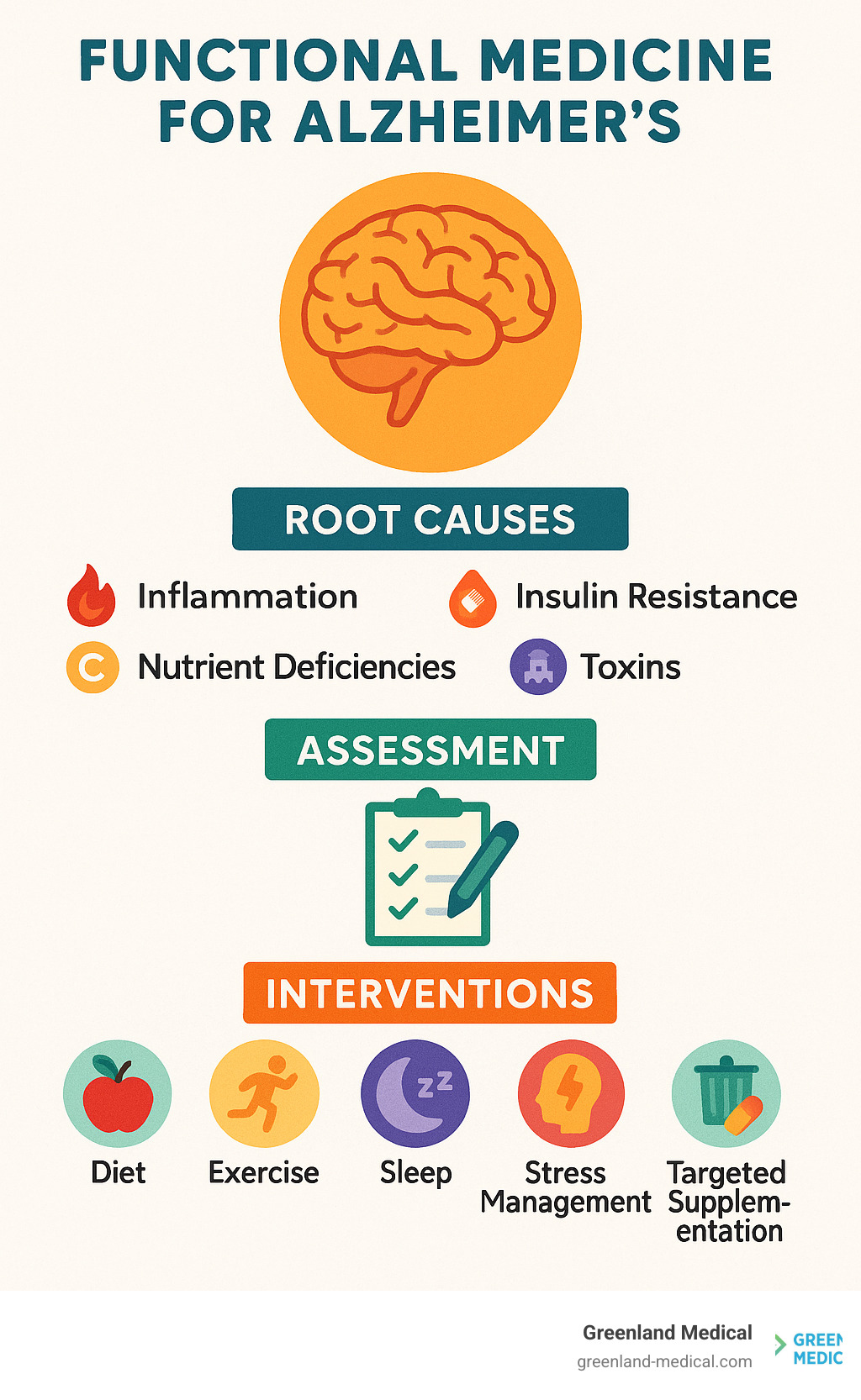
Functional Medicine for Alzheimer's is a personalized, root-cause approach to preventing and treating cognitive decline by addressing multiple underlying factors rather than just managing symptoms. Unlike conventional treatments that focus primarily on medications after diagnosis, functional medicine targets modifiable risk factors early.
What is Functional Medicine for Alzheimer's?
Root-Cause Focus: Identifies and treats underlying contributors like inflammation, insulin resistance, nutrient deficiencies, and toxin exposure
Personalized Approach: Tailors interventions based on genetics, lifestyle, and individual biochemistry
Multi-Modal Treatment: Combines nutrition, exercise, sleep optimization, stress management, and targeted supplements
Early Intervention: Emphasizes prevention and early action, often decades before symptoms appear
Evidence-Based: Incorporates emerging research on neuroplasticity, metabolic health, and inflammation
Someone in the world develops dementia every three seconds, with Alzheimer's disease being the most common form. Despite this growing crisis, conventional medicine offers limited solutions that only temporarily improve symptoms without addressing underlying causes.
The functional medicine approach views Alzheimer's not as a single condition but as a collection of "holes in a leaking roof" - multiple dysfunctions that require individualized repair. Research suggests up to 40% of dementia risk is attributable to modifiable lifestyle factors that functional medicine specifically targets.
I'm Dr. Andrew Greenland, a medical doctor and Certified Functional Medicine Practitioner (IFMCP) specializing in Functional Medicine for Alzheimer's prevention and treatment at Greenland Medical. As a certified Bredesen Protocol practitioner, I combine rigorous medical diagnostics with evidence-based functional strategies to help patients protect and restore cognitive function.
Functional Medicine for Alzheimer's: A Paradigm Shift
The numbers are sobering. Over 600 million people are expected to live with dementia in the next four decades, with a global economic impact exceeding $604 billion annually. To put this in perspective, if dementia were a country, it would have the 18th largest economy in the world. But behind these statistics are real people – our parents, partners, friends, and potentially ourselves.
Functional Medicine for Alzheimer's offers a fresh lens through which to view cognitive decline. Instead of accepting memory loss as an inevitable part of aging that we can only temporarily mask with medications, we see Alzheimer's as a complex condition with multiple contributing factors that can be identified and addressed.
Conventional Approach Functional Medicine Approach Focuses primarily on symptom management Identifies and addresses root causes Begins treatment after diagnosis Emphasizes prevention and early intervention Relies mainly on pharmaceutical interventions Uses comprehensive lifestyle medicine One-size-fits-all treatment protocols Personalized based on individual biochemistry Treats Alzheimer's as a single disease Recognizes multiple subtypes with different drivers Limited success in altering disease trajectory Emerging evidence of cognitive improvement
At Greenland Medical, we implement protocols based on Dr. Dale Bredesen's groundbreaking research, which has documented the first cases of cognitive decline reversal in peer-reviewed medical journals. This approach is like detective work – finding and fixing the specific factors driving cognitive decline in each unique person.
Why "Functional Medicine for Alzheimer's" Targets Multiple Pathways
Think of your brain health like a house with multiple support beams. When several beams weaken simultaneously, the structure becomes unstable. Similarly, Alzheimer's involves several interconnected problems:
Amyloid and tau proteins get most of the attention in conventional medicine, but in Functional Medicine for Alzheimer's, we recognize these as your brain's protective response – like firefighters at a fire – rather than the fire itself.
Insulin resistance in the brain (sometimes called "type 3 diabetes") prevents neurons from using glucose effectively, essentially starving your brain cells of energy.
Mitochondrial dysfunction means the tiny powerhouses in your cells can't produce enough energy, leading to cell death and brain shrinkage.
Chronic inflammation, whether from poor diet, infections, or environmental toxins, slowly damages delicate brain tissue over time.
Hormone imbalances affect brain function significantly – declining estrogen, testosterone, thyroid hormones, and disrupted cortisol patterns all impact your cognitive health.
Nutrient deficiencies in key brain-supporting vitamins and minerals like B12, magnesium, vitamin D, and omega-3s can accelerate cognitive decline.
Toxin exposure from heavy metals, mold, and environmental chemicals can directly damage neurons and trigger inflammatory responses.
By addressing these multiple factors together, we create a synergistic healing environment that can lead to remarkable improvements in brain function.
Conventional Care Gaps vs. Functional Gains in "Functional Medicine for Alzheimer's"
Standard Alzheimer's medications like donepezil and memantine offer modest symptom relief but don't change the underlying disease progression. Even the newest antibody treatments targeting amyloid have shown limited real-world benefits despite high costs and potential side effects.
Functional Medicine for Alzheimer's fills these critical gaps by:
Looking beneath symptoms to address root causes that conventional medicine often misses. We view your body as an interconnected system where brain health depends on gut health, hormone balance, inflammation control, and more.
Avoiding the risks that come with multiple prescription medications, which often increase with age.
Empowering you with practical tools to improve your health holistically, giving you back a sense of control in the face of a frightening diagnosis.
Starting prevention decades before symptoms appear, when intervention is most effective.
As Dr. Bredesen wisely notes, "You can't expect to fix a roof with 36 holes by patching just one of them." The same principle applies to your brain – we need a comprehensive approach that addresses all the factors undermining your cognitive health, not just one.
Mapping Risk: Genetics, Environment & Lifestyle
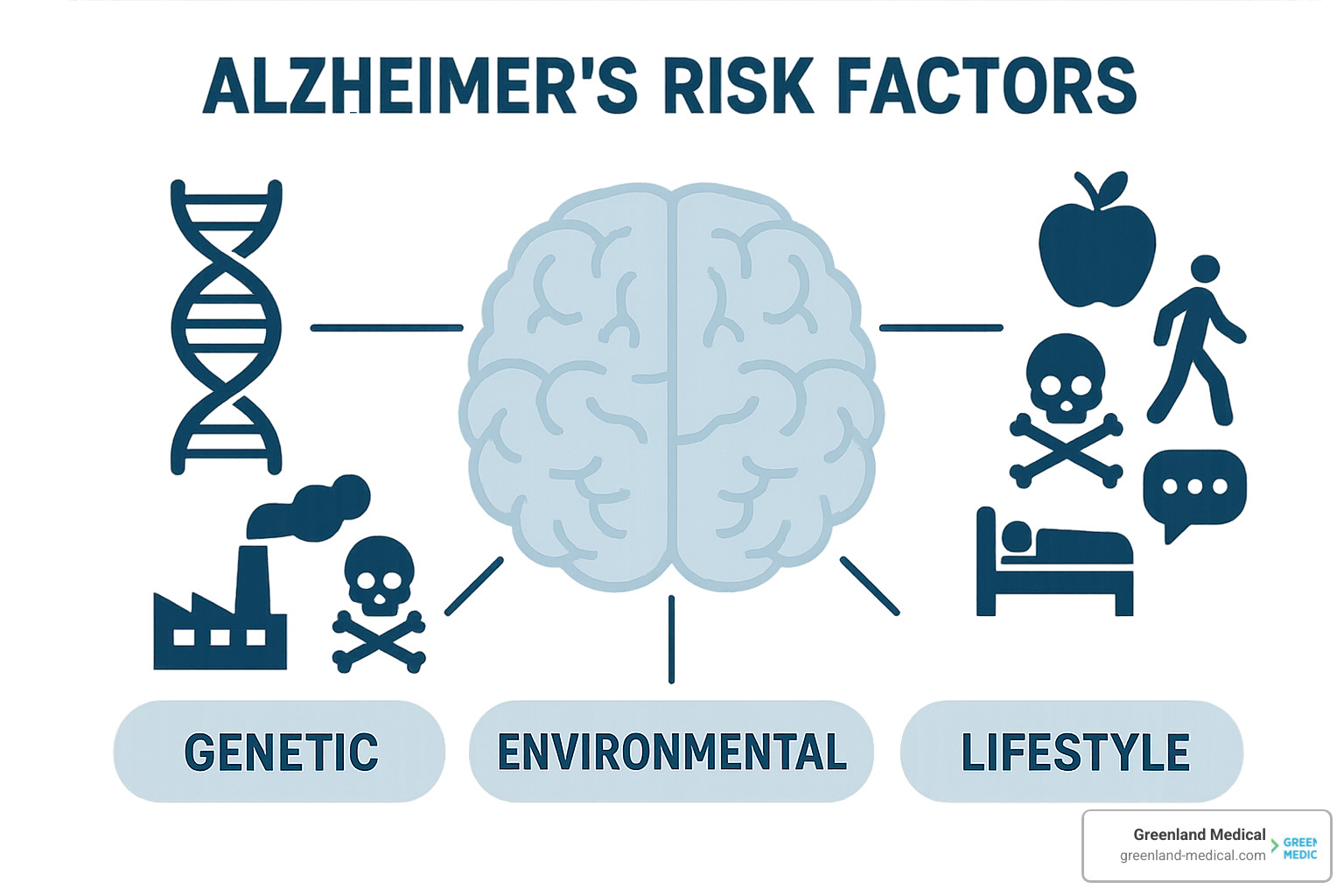
When it comes to brain health, knowing your personal risk landscape is like having a map before a journey. It's the essential first step in creating an effective Functional Medicine for Alzheimer's prevention plan that works specifically for you. The good news? While some risk factors are fixed, many can be modified with the right approach.
Genetic Factors
You've probably heard about the "Alzheimer's gene" – that's the ApoE4 variant, the strongest known genetic risk factor for late-onset Alzheimer's disease. About a quarter of us carry one copy of this gene, which bumps up Alzheimer's risk by roughly 30%. A smaller group, about 2-3% of people, carry two copies, which pushes lifetime risk to over 50%.
But here's the empowering truth: genes aren't destiny. A fascinating JAMA study following 200,000 individuals showed that smart lifestyle choices reduced dementia risk even among those with high genetic predisposition – by up to 40%! That's why we say your genes might load the gun, but your lifestyle pulls the trigger.
For more detailed information on how ApoE4 affects Alzheimer's risk, check out this scientific research on ApoE4 and Alzheimer's.
Modifiable Risk Factors
Did you know that about 40% of worldwide dementia cases are linked to factors we can actually change? The Lancet Commission identified 12 key modifiable risk factors spanning our entire lifetime:
Education levels in early life, hearing loss, traumatic brain injury, high blood pressure, excessive alcohol consumption, obesity, smoking, depression, social isolation, physical inactivity, diabetes, and air pollution all play significant roles in our brain health journey.
At Greenland Medical, we don't just skim the surface – we dive deep into these factors to paint a complete picture of your unique risk profile. Think of it as creating your personal brain health blueprint.
Precision Prevention When You Carry ApoE4
If you find you carry the ApoE4 gene, don't panic! Functional Medicine for Alzheimer's offers custom strategies to help offset your genetic risk:
Your body likely processes dietary fats differently, so you might benefit from modified Mediterranean or ketogenic approaches. Your detoxification systems may need extra support, as ApoE4 can affect how efficiently your body clears certain toxins.
You'll also want to pay special attention to your omega-3 intake – higher doses of DHA could be particularly beneficial for you. Regular exercise becomes even more crucial for countering genetic risk, and because ApoE4 carriers often show heightened sensitivity to stress-related cognitive decline, stress management deserves priority status in your prevention plan.
Genetic testing provides valuable insights, but it's just one piece of your health puzzle. At Greenland Medical, we use this information to personalize your prevention protocol – never to instill fear or a sense of predetermined fate.
Assessing Hidden Drivers
Beyond the well-known risk factors, Functional Medicine for Alzheimer's investigates the sneaky, hidden drivers that conventional medicine often misses:
Undiagnosed sleep apnea can significantly raise your Alzheimer's risk, while imbalances in your gut microbiome can trigger brain inflammation. High homocysteine levels signal B vitamin deficiencies linked to increased dementia risk.
Environmental exposures matter too – toxins like mercury, lead, and aluminum may contribute to neurodegeneration. Even certain oral bacteria like P. gingivalis (associated with gum disease) have been found in the brains of Alzheimer's patients.
We also look for liftd inflammatory markers like hs-CRP, which indicate systemic inflammation, and assess hormone imbalances in estrogen, progesterone, testosterone, and thyroid hormones – all of which profoundly affect brain function.
By identifying and addressing these hidden drivers, we create a more effective, personalized prevention strategy that works with your unique biochemistry. At Greenland Medical, we believe understanding your full risk picture isn't about creating fear – it's about creating opportunity for meaningful, brain-protective change.
Nutrition & Supplements That Safeguard the Brain

When it comes to protecting your brain, what you put on your plate matters tremendously. Nutrition isn't just fuel—it's information for your cells, and your brain is listening carefully to what you're feeding it. At Greenland Medical, we've seen how dietary changes form the foundation of successful Functional Medicine for Alzheimer's programs.
Think of food as your brain's daily medicine. Every meal is an opportunity to either fight cognitive decline or unknowingly contribute to it. The good news? Small, consistent changes can make a remarkable difference.
Dietary Patterns Proven in "Functional Medicine for Alzheimer's" Programs
The Mediterranean diet shines as a brain health superstar in research studies. Imagine a plate filled with colorful vegetables, a splash of olive oil, fresh fish, and perhaps a glass of red wine with dinner. This isn't just delicious—it's powerful medicine. The PREDIMED-Navarra trial showed impressive cognitive benefits when participants followed this pattern, especially when enriched with extra-virgin olive oil or nuts.
For even more targeted brain protection, the MIND diet combines the best elements of Mediterranean eating with specific foods known to support brain function. People who closely follow this approach have shown up to 53% lower risk of developing Alzheimer's in observational studies. That's better protection than many medications can offer!
Some patients thrive on ketogenic approaches, which provide alternative brain fuel when glucose metabolism falters. Dr. Bredesen's KetoFLEX 12/3 protocol—which we offer at Greenland Medical—combines gentle ketosis with plant-rich foods and strategic fasting windows. The results can be remarkable—84% of participants in preliminary trials experienced measurable cognitive improvements.
Across all these successful approaches, certain principles remain consistent. Plant diversity creates a foundation of antioxidants and polyphenols that protect delicate brain tissue. Healthy fats from sources like olive oil and avocados provide structural components for brain cell membranes. Limited refined carbohydrates help control inflammation and insulin resistance. Time-restricted eating activates cellular cleaning mechanisms, while personalization ensures the approach matches your unique needs.
Targeted Nutrients & Botanicals
Beyond overall dietary patterns, specific nutrients deserve special attention in Functional Medicine for Alzheimer's protocols.
DHA and EPA omega-3 fatty acids are like premium building materials for your brain. DHA makes up about 30% of the structural fat in your brain's gray matter, and research published in Nutrients shows it may help reduce Alzheimer's risk. We typically recommend 1-2 grams of DHA daily, with higher amounts for those carrying the ApoE4 gene.
B vitamins work behind the scenes to lower homocysteine, a compound that can damage blood vessels and brain cells when levels rise too high. In one remarkable study, B vitamin supplementation actually slowed brain shrinkage in people with mild cognitive impairment and liftd homocysteine.
Nature has provided us with powerful plant compounds that support brain health. Curcumin from turmeric acts like a gentle anti-inflammatory, potentially helping clear those troublesome amyloid plaques. Resveratrol from grapes and berries activates longevity pathways in your cells. Blueberry compounds have shown impressive ability to improve memory and delay age-related cognitive changes.
Mineral heroes like magnesium threonate can cross the blood-brain barrier to support learning and memory, while phosphatidylserine helps maintain the integrity of brain cell membranes.
At Greenland Medical, we don't take a one-size-fits-all approach to supplementation. We carefully assess each person's nutritional status, genetic factors, and specific needs before making recommendations. The right supplements at the right doses can make a significant difference—but they work best as part of a comprehensive approach that includes all aspects of brain-healthy living.
Your brain is always rebuilding itself, and every bite you take provides either helpful or harmful building materials. The choices you make today shape your cognitive future—and we're here to help you make the best choices possible.
Movement, Mind, and Connection: Lifestyle Medicine in Action
Beyond nutrition, Functional Medicine for Alzheimer's recognizes that how we move our bodies, engage our minds, and connect with others plays a crucial role in brain health. These lifestyle elements work together to create a protective shield against cognitive decline.
Exercise Dosing for Neuroprotection
Think of exercise as medicine for your brain – it might be the most powerful prescription we can write for cognitive health. When you get your heart pumping regularly, amazing things happen inside your head.
A landmark 2017 study showed that people who engaged in just 150 minutes of moderate walking each week experienced noticeable improvements in memory and decision-making abilities. Even more impressive, Australian researchers found that building muscle strength helped adults with early memory problems regain brain function.
The science is clear: regular physical activity can slash your Alzheimer's risk by up to half.
At Greenland Medical, we recommend a balanced movement approach:
Move aerobically for 150-300 minutes weekly through activities you actually enjoy – whether that's a brisk neighborhood walk, swimming laps, or dancing in your living room. Your brain doesn't care what you do, as long as your heart rate rises!
Build strength at least twice weekly, challenging your muscles to at least 80% of what they can handle. This doesn't require a fancy gym – resistance bands, bodyweight exercises, or even gardening can build functional strength.
Practice balance and flexibility through gentle yoga, tai chi, or simple stretching routines. These mindful movements reduce fall risk while creating space for mental calm.
Break up sitting time with the "30 for 2" rule – stand up and move for just 2 minutes after every 30 minutes of sitting. Your brain will thank you for these mini-circulation boosts.

When you exercise, your body releases a remarkable substance called brain-derived neurotrophic factor (BDNF) – think of it as fertilizer for your brain cells. This protein helps form new connections between neurons while reducing inflammation and improving insulin sensitivity. Plus, the mood boost from regular movement creates a virtuous cycle of brain protection.
Brain Training & Neuroplasticity
Your brain remains remarkably adaptable throughout your entire life – a phenomenon scientists call neuroplasticity. Just like muscles respond to resistance by growing stronger, your brain responds to challenges by forming new connections.
Cognitive training programs like BrainHQ can strengthen specific mental skills when practiced consistently. The key is regular engagement – even 15 minutes daily can yield measurable results. Think of it as taking your brain to the gym.
Learning something brand new creates particularly powerful brain changes. Have you always wanted to speak Italian, play the piano, or master watercolor painting? Your brain lights up with activity when navigating unfamiliar territory. One patient in her 70s started taking cello lessons and saw her memory assessments improve within months!
Dual-task activities offer exceptional benefits by combining physical and mental challenges. Taking a dance class, for instance, requires remembering steps while moving your body in coordination with music – creating a cognitive workout more effective than either activity alone.
Meditation practices deserve special mention. The 12-minute Kirtan Kriya meditation, in particular, has impressive research behind it. This simple practice combines sounds, finger movements, and visualization, leading to improved memory, reduced inflammation, and even positive changes in genes related to longevity.
Music therapy works wonders, especially for those already experiencing memory challenges. The emotional pathways connected to familiar songs often remain intact even when other memories fade. One gentleman who rarely spoke lit up and sang every word to his wedding song when his wife played it during a visit.
Social connections might be the most underappreciated brain booster. Regular meaningful interactions with others provides both cognitive stimulation and emotional support. The pandemic taught us all how isolation affects our thinking and mood – the flip side is that genuine connection protects brain function.
At Greenland Medical, we create brain health programs custom to what brings you joy. The best brain exercises are the ones you'll actually do consistently. Whether you're a crossword enthusiast, a book club member, or a budding artist, we help you leverage your interests to build cognitive resilience for years to come.
Putting It Together: Personalized Functional Roadmap
The real magic of Functional Medicine for Alzheimer's happens when everything comes together in a plan made just for you. At Greenland Medical, we don't believe in one-size-fits-all approaches. Instead, we create personalized roadmaps that address your unique brain health needs.
Think of it as creating your own cognitive health GPS—one that steers around your specific risk factors while heading straight toward better brain function.
Our process starts with getting to know your brain's current state and what might be affecting it:
First, we run comprehensive laboratory testing to look under the hood. This includes checking your genetic makeup (including that important ApoE status), measuring inflammation in your body, assessing your metabolic health, and looking at nutrient levels. We also check hormone balance, potential toxin exposure, and how your gut health might be affecting your brain.
Next comes a thorough cognitive assessment. We use standardized tests like MoCA and CNS Vital Signs to objectively measure your current cognitive function. We also listen carefully to how you're experiencing any changes in your thinking. In some cases, we might recommend advanced brain imaging to get an even clearer picture.
We then take a deep dive into your lifestyle patterns – what you're eating, how you're moving, how well you're sleeping, and how you're handling stress. We look at your social connections and potential environmental exposures that might be affecting your brain health.

With this information in hand, we create your personalized intervention plan. This might include specific dietary recommendations, a carefully selected supplement protocol, an exercise prescription custom to your abilities and preferences, strategies to optimize your sleep, stress management techniques, brain training activities, and detoxification support if needed.
But we don't just set you loose with a plan. We stay with you through regular monitoring and adjustment sessions. We track your cognitive function, reassess your biomarkers, and fine-tune your interventions based on how you're responding.
The evidence supporting this approach continues to grow stronger. Dr. Bredesen's proof-of-concept trial with 25 patients experiencing mild cognitive impairment or early dementia showed remarkable improvements:
84% of participants improved according to informant-rated cognitive assessments. MoCA scores jumped from an average of 24.6 to 27.56. Overall cognitive function percentile rose dramatically from the 38th to the 63rd. Most impressively, MRI scans showed improved gray matter volume when decline would normally be expected.
At Greenland Medical, we've witnessed similar changes in our London, Richmond, and Twickenham clinics. Our patients regularly report better memory, clearer thinking, and improved quality of life.
Step-by-Step Starter Plan for Readers
While nothing replaces a fully personalized assessment, here are some brain-healthy habits you can start today:
Begin your morning with an anti-inflammatory breakfast like Greek yogurt topped with colorful berries, walnuts, and a sprinkle of cinnamon. Take a high-quality omega-3 supplement containing at least 1g of DHA. Then head outdoors for a 30-minute walk to get both exercise and natural light exposure.
During the afternoon, engage your brain with mentally stimulating activities you enjoy. Set aside 12 minutes for a Kirtan Kriya meditation, which research shows can significantly benefit brain function. And don't forget to stay hydrated throughout the day—your brain is mostly water, after all!
In the evening, enjoy a Mediterranean-style dinner rich in colorful vegetables, olive oil, and clean protein. Establish a blue-light curfew 2-3 hours before bedtime to support your natural sleep hormones. Create a consistent sleep routine aiming for 7-8 hours of quality rest.
On a weekly basis, include at least two strength training sessions to build muscle and boost brain-protective factors. Make time for at least three meaningful social interactions. And challenge your brain by learning something new—whether it's a language, instrument, or craft.
These are general recommendations. For truly optimal results, a personalized approach based on your unique needs and risk factors is essential. At Greenland Medical, we're here to help you create that personalized roadmap to better brain health—one that addresses your specific needs and circumstances.
Frequently Asked Questions about Functional Medicine & Alzheimer's
Can early-stage Alzheimer's really be slowed or reversed?
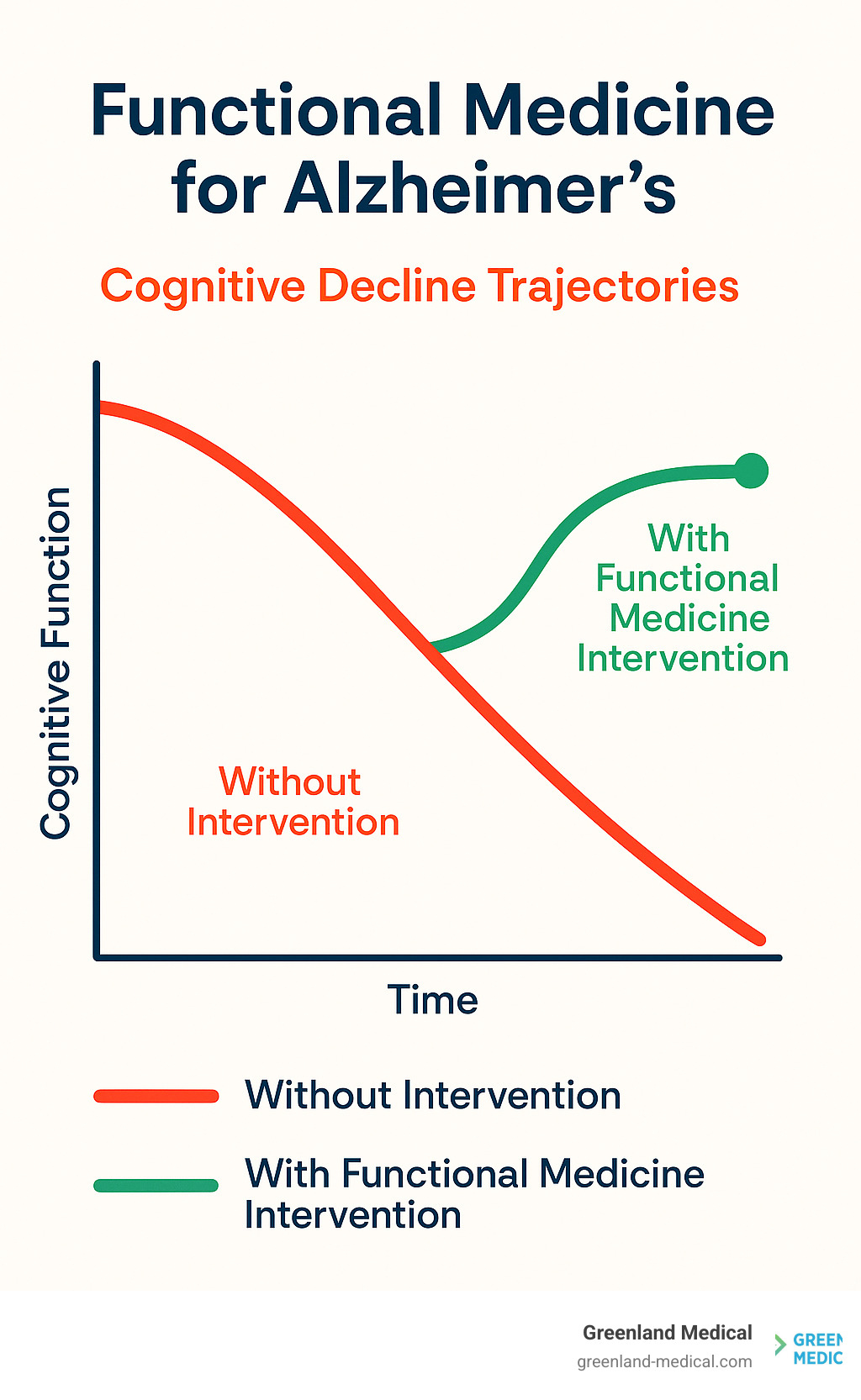
When people first hear about our approach at Greenland Medical, this is often their first question – and it's a good one. The encouraging answer is yes – emerging research shows that early-stage Alzheimer's progression can be significantly slowed and, in some cases, certain aspects of cognitive decline can actually be reversed.
Dr. Bredesen's clinical trials have documented what many considered impossible: 84% of participants showed measurable cognitive improvements following a comprehensive, personalized protocol. We've witnessed similar changes in our own clinics, particularly when we can begin working with patients early in their journey.
I always tell my patients that this isn't about a miracle cure – it's about addressing the multiple underlying factors that contribute to cognitive decline rather than focusing on just one aspect. Think of it like fixing several leaks in a roof rather than patching just one hole.
While advanced Alzheimer's presents greater challenges (which is why early intervention is so important), even patients with moderate impairment often experience meaningful quality of life improvements with our Functional Medicine for Alzheimer's approach. Your results will vary based on your unique genetic makeup, how long symptoms have been present, and how consistently you follow your personalized protocol.
Is genetic testing necessary before starting a program?
The short answer? No, it's not absolutely necessary – but it can be incredibly valuable.
Everyone benefits from the core principles of Functional Medicine for Alzheimer's – anti-inflammatory nutrition, regular exercise, quality sleep, stress management, and keeping your brain engaged. These fundamentals support brain health regardless of your genetic profile.
That said, knowing your genetic risk factors, particularly your ApoE status, allows us to create a more precise roadmap for you. For example, if you carry one or two copies of the ApoE4 gene (often called the "Alzheimer's gene"), you might benefit from different dietary approaches and supplement protocols than someone without this genetic variant.
At Greenland Medical, we include genetic testing in our comprehensive assessment, but we never delay getting started while awaiting results. We can begin implementing foundational strategies immediately, then refine your protocol as more information becomes available. And if you prefer not to undergo genetic testing for personal reasons, we completely respect that choice and can still develop an effective plan for you.
How long before lifestyle changes show cognitive benefits?
"When will I notice a difference?" is something I hear from almost every patient. While I wish I could give a one-size-fits-all answer, the truth is that everyone's brain responds at its own pace.
Based on our clinical experience with hundreds of patients, here's what you might expect:
Most people notice subjective improvements in mental clarity, energy levels, and mood within the first 4-8 weeks. These "feeling better" changes often happen before measurable cognitive improvements, which typically emerge within 3-6 months of consistent implementation.
What's really exciting is that we frequently see continued progress over 1-2 years as the brain's remarkable capacity for healing is supported. Some of our patients continue showing improvements well beyond what we initially expected.
I always emphasize to my patients that prevention is infinitely more effective than treatment. Those who implement these strategies before cognitive symptoms appear often maintain their brain function longer than would be expected based on their risk factors.
The key ingredient? Consistency. Functional Medicine for Alzheimer's isn't a quick fix or a 30-day challenge – it's a comprehensive approach to brain health that requires ongoing commitment. But the investment in your cognitive future is worth every effort.
Conclusion
The shadow of Alzheimer's disease grows longer each year, touching more lives and challenging our healthcare systems in unprecedented ways. Yet amid this growing crisis, Functional Medicine for Alzheimer's shines as a guide of hope—offering a fresh perspective that moves beyond simply managing symptoms to addressing the complex web of factors that contribute to cognitive decline.
At Greenland Medical, we've witnessed the transformative power of this approach in our London, Richmond, and Twickenham clinics. Our patients come to us with concerns ranging from mild memory lapses to more significant cognitive challenges, and we meet them with compassion, scientific rigor, and personalized care.
What makes our approach different? We recognize that your brain health story is uniquely yours. The factors influencing your cognitive wellbeing—from your genetic makeup to your sleep patterns, from your gut health to your stress levels—create a one-of-a-kind picture that deserves individualized attention. By blending cutting-edge diagnostics with time-tested natural therapies and incorporating the groundbreaking Bredesen Protocol, we craft precision plans that protect your most vital organ.
The science speaks clearly: up to 40% of dementia risk stems from factors we can modify. This isn't just encouraging—it's revolutionary. It means that even if you carry genetic risk factors like ApoE4, you have tremendous power to influence your cognitive trajectory through the choices you make today.
Think of your brain health as a savings account where small, consistent deposits yield compound interest over time. The Mediterranean-style meal you enjoy tonight, the walk you take tomorrow morning, the quality sleep you prioritize next week—these aren't just healthy habits. They're investments in your cognitive future, building resilience and reserves that will serve you for decades to come.
Whether you're in your thirties with a family history that concerns you, in your fifties noticing subtle changes in your memory, or in your seventies wanting to maintain the cognitive function you have, there's no wrong time to start. But there's also no better time than now.
At Greenland Medical, we're ready to walk alongside you on this journey, providing the expertise, support, and personalized guidance that makes Functional Medicine for Alzheimer's so powerful. We believe in a future where cognitive decline isn't inevitable—where understanding your unique risk factors and addressing them systematically can change the story of how your brain ages.
The brain you'll have at 80 is being built by the choices you make today. We'd be honored to help you make those choices count.
For more information about our cognitive health services and how we can help you implement a personalized Functional Medicine for Alzheimer's protocol, please contact us to schedule a consultation.
